
Tubular Daylighting Devices – Technology & Design Applications

Architects have long relied on windows for side lighting and skylights or roof glazing for top lighting to bring natural light into a building. But these conventional methods have limits. Tubular Daylighting Devices (TDDs) were developed to solve exactly this problem, delivering natural light into spaces those traditional methods can’t reach. Increasingly, though, architects are […]
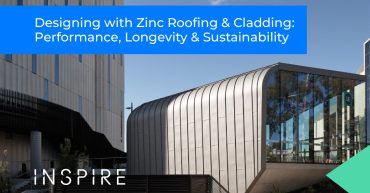
Zinc roofing and cladding has a long track record overseas, but for many Australian architects and specifiers, the material’s properties and system options are still unfamiliar territory. As sustainability credentials, life cycle performance and material longevity move to the centre of specification decisions, designers are looking past surface aesthetics to ask harder questions: how long […]
Thermal performance has always been a fundamental consideration in building design, but as the NCC raises minimum energy efficiency requirements, the pressure to specify insulation that reliably performs over time has never been greater. For many architects and specifiers, rigid insulation remains a product category that is understood in general terms but less well understood […]
Beyond the Surface: Rethinking Interior Materials in Contemporary Architecture takes a practical, design-led look at how engineered wood panels and surface technologies are selected and integrated into interior environments. We’ll explore how different material typologies, such as particleboard, fibreboard and compact panels, work together with decorative surface technologies to deliver performance, durability and design outcomes. […]
Designing Healthier Homes – Rethink the Power of Daylight takes a practical look at how daylight shapes the quality, health performance and comfort of residential buildings. We’ll examine the biological, regulatory and design dimensions of daylighting and explore how architects can move beyond minimum compliance toward genuinely healthier homes. By the end of today’s session, you’ll […]
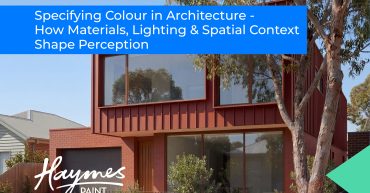
‘Specifying colour in Architecture: How materials, lighting and spatial context shape perception’ takes a practical, performance-based look at how colour is specified in architectural environments. We will examine the perceptual, material and contextual factors that influence colour selection and unpack how lighting conditions, surface properties and spatial relationships affect how colour is experienced. By the […]
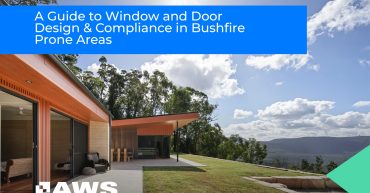
Australia’s bushfire-prone environment presents unique challenges for building design, particularly when it comes to windows and doors. These elements play a critical role in protecting structures from ember attack, radiant heat, and direct flame exposure. Compliance with bushfire construction standards is not just a regulatory requirement—it is essential for enhancing resilience and safeguarding lives and […]

This CPD Understanding Acoustics will explore how windows and doors contribute to the acoustic performance of the building envelope. We’ll unpack the fundamentals of sound, how it is measured, and how it behaves in built environments. Then we’ll move into testing standards and acoustic ratings before examining real-world design and specification factors for windows and […]
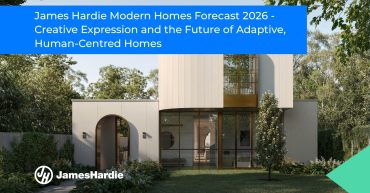
This session is based on the latest research from James Hardie, the Modern Homes Forecast 2026, developed in collaboration with WGSN, that identifies the key social, economic, environmental, technological, and human factors shaping how Australians want to live. We will walk through how these macro drivers are translated into clear home living trends, design principles and ultimately […]

Commonly known as ‘forever chemicals’, per- and polyfluoroalkyl substances (PFAS) are a group of synthetic chemicals used in consumer products (to enhance non-stick coatings and waterproofing properties), and also in firefighting foams and various industrial processes. ‘Microplastics’, on the other hand, are defined as small plastic pieces that measure less than 5 mm in length. […]