
DAY 2 Services using Applied Principles of Circularity
The term ‘Day 2 Services’ refers to everything that occurs once a project’s construction phase is complete and the building in question is fully operational. It refers to daily functions, including those associated with wiring and electricals, plumbing, automated systems, and HVAC. Effective Day 2 services have environmental benefits. Beyond ensuring the efficiency of systems, […]
Though estimates vary, it is generally accepted that, globally, the construction sector is responsible for around 40 per cent of total carbon emissions. To address this situation, and avoid the potentially catastrophic consequences of climate change, the World Green Building proposes nothing less than total decarbonisation of the built environment by 2050. To this end, […]
In assessing the sustainability of commercial building projects, it’s important to recognise the impacts of fitouts. In terms of embodied carbon, such choices are as likely to be problematic as external materials, structural elements, and so on. Indeed, thanks to the fast pace of tenancy changes, commercial fitouts involve one key challenge – associated with […]
As is often noted, despite its massive interior, Australia is very much a coastal loving nation. All our major cities are located by the sea, and as the most recent ‘State of the Environment Report’ points out, approximately 85 per cent of Australians live within 50 km of the coast. Drilling deeper into the same […]
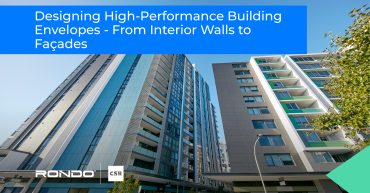
Technically defined as the vertical element forming the external envelope of a building, the external wall includes several structural and non-structural components, namely external cladding, a weather-resistive barrier, framing, insulation, and internal lining. Together, these components are responsible for loadbearing capacity, environmental separation, fire resistance and architectural expression, and more. They influence outcomes in terms […]
Under the National Construction Code (NCC), building refurbishment and changes tend to trigger increases in required Fire Resistance Levels (FRLs). Open-deck carparks and certain sprinkler-protected are good examples. Until recently, buildings of this type benefited from FRL concessions that reduced or eliminated fire resistance obligations on their structural concrete elements. NCC 2025 has removed these […]
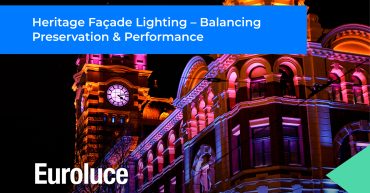
When specifying external lighting for heritage buildings, there is one key thing to keep in mind. Unlike most tasks of this type, where lighting can be integrated into the project at the early planning stage, with heritage architecture most of the work has already been done (by somebody else, possibly many years ago). New external […]

In today’s session ‘Powder-on-Powder Coating & Authentic Wood Grain Finishes’, we take a look at the use or aluminium surface finishings in both external and internal applications. Noting their attractions, and in particular their capacity to replicate the look and appeal of timber, our speakers will identify the various options of this type on the […]
Navigating cladding and external facade specifications requires a clear understanding of regulatory frameworks and fire performance standards. This session takes a practical, compliance-focused look at cladding systems within the context of the NCC 2022. While subsequent code editions continue to emerge, the 2022 edition remains a critical reference for current compliance pathways across Australian jurisdictions. […]
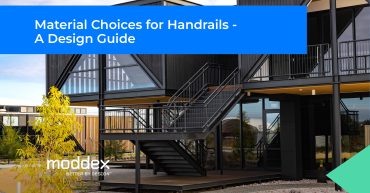
Handrails are one of those elements that architects and specifiers often treat as a late-stage decision, something to finalise once the bigger design questions are settled. But the material choice made at that point has real consequences. Handrails are among the most exposed and used elements in a built environment, and the wrong material in […]