
Spatial Planning Under the Livable Housing Design Standard (LHDS)

The Livable Housing Design Standard (LHDS) sets out technical provisions to help ensure Class 1a and 2 buildings better meet the needs of the community, including older people and those with mobility limitations. Since its introduction into the National Construction Code (NCC) in 2022, Livable Housing Design is no longer a “nice to have”, but […]

Fireplaces continue to play an important role in shaping atmosphere and shared spaces across a wide range of commercial projects. They can be found everywhere from hospitality venues and hotel lobbies to apartment developments and aged care environments. It should be noted, however, that integrating a fireplace into commercial architecture can present a number of […]

Though the exact figure varies slightly depending on methodology and source, it is generally accepted that the built environment is responsible for around 40% of global greenhouse gas emissions. A sobering statistic for all involved, it nevertheless leaves architects, builders, and others with some important question – along the lines of ‘how can we make […]

In this session of CPD Live, “Understanding and Respecting Country – Pathways to Effective Collaboration & Co-Design” we consider Indigenous art and design in the context of the architectural sector. Noting the significance of design to First Nations peoples across Australia and the work of Indigenous designers, artists, and architects within the built environment, we […]

Distinct from airtightness, weathertightness refers to a building’s capacity to protect itself from external weather conditions, as a means of reducing air/water intrusion and the presence of moisture in the building envelope. The reason weathertightness is important, and the reason architects should seek to create barriers against inclement weather, is that it helps to protect […]
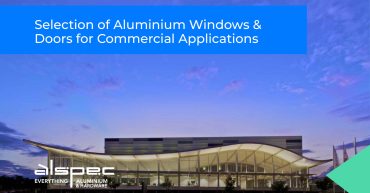
This session takes a practical, performance-based look at the selection of aluminium window and door systems for commercial buildings. We examine the structural, compliance, energy, and finishing considerations that influence product choice, while unpacking how framing systems, glazing, movement allowances, and surface treatments affect long-term performance. The module covers the key considerations involved in commercial […]
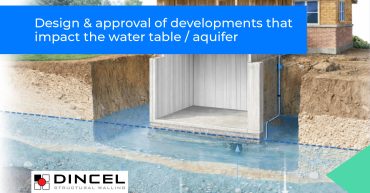
Today’s presentation unpacks the regulatory framework governing aquifer interference activities in NSW, including the Water Management Act 2000, Water Sharing Plans and the NSW Aquifer Interference Policy. We’ll walk through how Councils, WaterNSW and DCCEEW assess groundwater impacts, and why early, informed design decisions, particularly around basement design, can mean the difference between a smooth […]
There are several important considerations when designing and specifying windows and doors under the NCC 2022. In particular, these elements play a key role in managing heat flow, solar gain, condensation risk and energy efficiency. Therefore, they are essential for thermal performance and regulatory compliance. As energy efficiency requirements tighten, understanding how windows and doors […]

Unlike the traditional economic model in which products are manufactured, sold, and eventually disposed of – all in a relatively linear fashion – circularity is about re-use, recycling, and refurbishment. It is about disposing of materials only when they can longer be used in any other practical way, and in so doing, minimising negative environmental […]

Email is critically important to project-based businesses like architectural and design practices. A primary means of communications, it is used for everything from client briefs and consultant coordination to contractor instructions and more. Considering the increasing complexity of these types of information and mounting compliance expectations, poorly managed email represents a genuine (and serious) risk. […]