
BAL FZ Construction Compliance & Testing Regimes
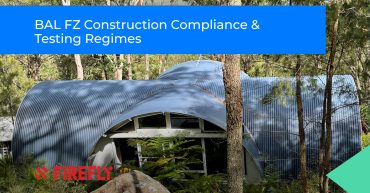
Building in bushfire-prone areas is one of the enduring challenges of Australian design and construction. Australia is one of the most fire-prone countries on earth; each fire season is a reminder of what’s at stake for the homes and communities built at the edge of the bush. With more Australians living in these areas and […]
Navigating cladding and external facade specifications requires a clear understanding of regulatory frameworks and fire performance standards. This session takes a practical, compliance-focused look at cladding systems within the context of the NCC 2022. While subsequent code editions continue to emerge, the 2022 edition remains a critical reference for current compliance pathways across Australian jurisdictions. […]
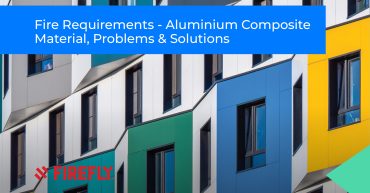
Facade fire safety has become one of the most closely scrutinised areas of building compliance in Australia over the past decade. Aluminium composite material, or ACM, remains widely specified for its appearance, workability and cost, but its fire performance varies considerably depending on the core material used. For architects, specifiers and building surveyors, the challenge […]
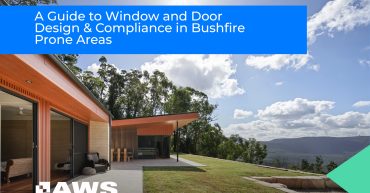
Australia’s bushfire-prone environment presents unique challenges for building design, particularly when it comes to windows and doors. These elements play a critical role in protecting structures from ember attack, radiant heat, and direct flame exposure. Compliance with bushfire construction standards is not just a regulatory requirement—it is essential for enhancing resilience and safeguarding lives and […]

This CPD Understanding Acoustics will explore how windows and doors contribute to the acoustic performance of the building envelope. We’ll unpack the fundamentals of sound, how it is measured, and how it behaves in built environments. Then we’ll move into testing standards and acoustic ratings before examining real-world design and specification factors for windows and […]
Commonly known as ‘forever chemicals’, per- and polyfluoroalkyl substances (PFAS) are a group of synthetic chemicals used in consumer products (to enhance non-stick coatings and waterproofing properties), and also in firefighting foams and various industrial processes. ‘Microplastics’, on the other hand, are defined as small plastic pieces that measure less than 5 mm in length. […]

Defined as building components derived from natural, living organisms (such as plants, fungi, and bacteria), biomaterials are experiencing a renaissance. Beyond the most obvious material (i.e. timber), we are beginning to see a broad range of such products in the built environment. One of the key attractions of such materials is that, when specified appropriately, […]

Beyond the noise surrounding its arrival – and the claims of everything from previously-unimaginable efficiency and prosperity on the one hand, to mass unemployment and dystopia on the other – there is no doubting that artificial intelligence is set to change the world. Like it or not, AI is here to stay. That said, the […]
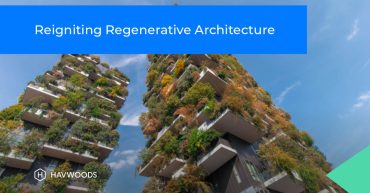
As the industry faces increasing pressure to address embodied carbon, resource depletion and climate impact, architects are facing the challenge of moving from “doing less harm” to actively designing buildings and interiors that contribute positively to environmental and human systems. In this context, in this session of CPD Live, we consider the renewed importance of […]