
Why Bio-Based & Rapidly Renewable Building Materials Matter
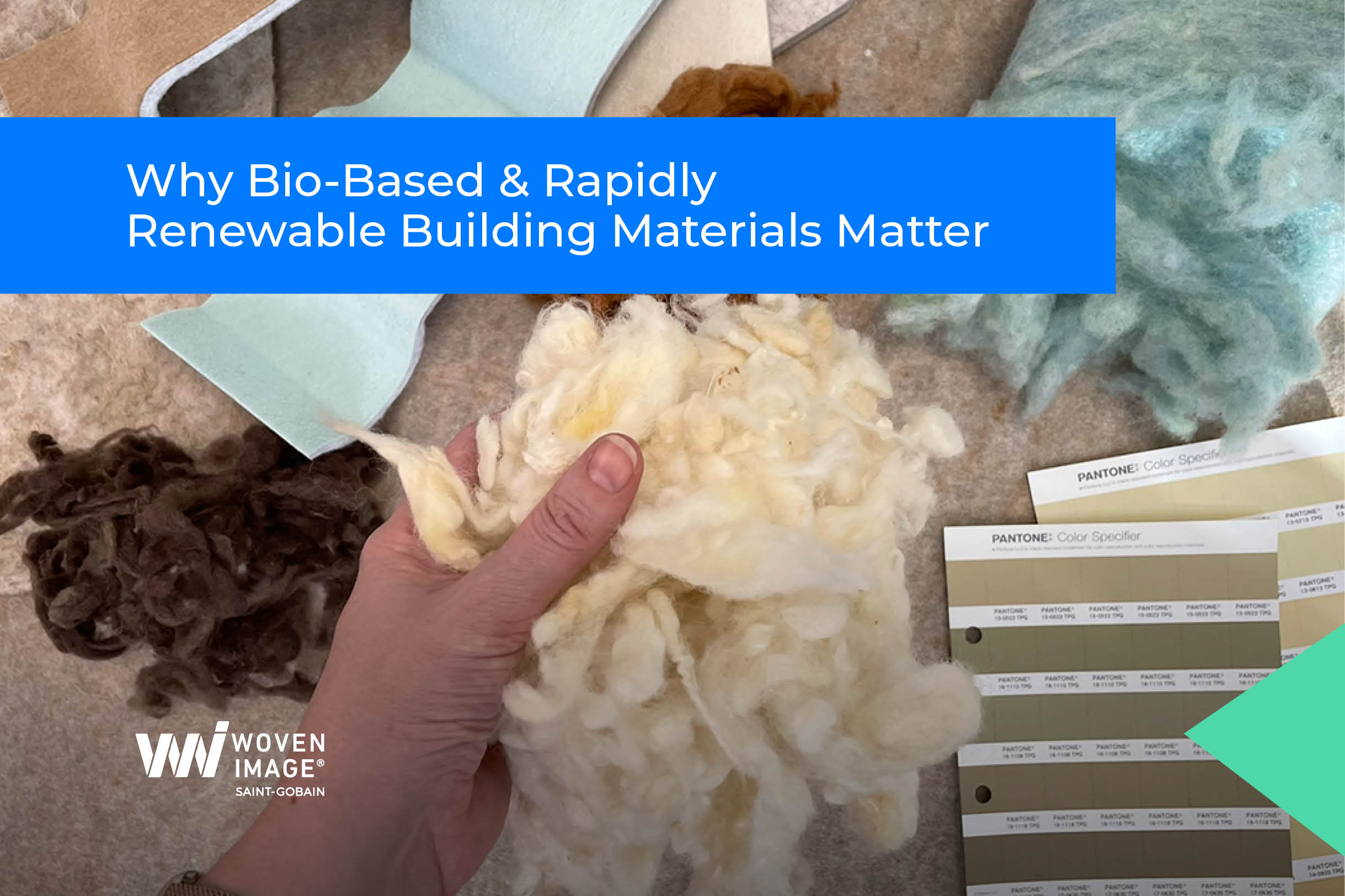
Defined as building components derived from natural, living organisms (such as plants, fungi, and bacteria), biomaterials are experiencing a renaissance. Beyond the most obvious material (i.e. timber), we are beginning to see a broad range of such products in the built environment.
One of the key attractions of such materials is that, when specified appropriately, they support sustainable architecture by reducing embodied carbon and dependence on finite resources.
In this session of CPD Live we focus on the use of biomaterials in the built environment. Our speakers begin by explaining the importance of establishing a shared language in this context; and of clarifying what should be included when discussing bio based, rapidly renewable, low embodied energy, or circular materials.
They provide an overview of currently available biomaterials, highlight examples of their use, and outline how they can contribute to carbon reduction, energy efficiency, biogenic storage, and improved life cycle outcomes.
And finally, they look to the future and consider emerging material science, circular-economy models, and regenerative design approaches shaping their capacity to impact next generation construction.
At the end of this presentation, you should be able to:
- Define the terms ‘bio-based’, ‘rapidly renewable’, and ‘low embodied energy’ in the context of building materials
- Identify the various biomaterials suitable for commercial interiors, as well as their typical applications
- Explain why these biomaterials are genuinely sustainable
- Outline possible future directions for the use of biomaterials in the built environment
(PRACTICE MANAGEMENT AND PROFESSIONAL CONDUCT PC10, PROJECT INITIATION AND CONCEPTUAL DESIGN PC28, PROJECT INITIATION AND CONCEPTUAL DESIGN PC31, PROJECT INITIATION AND CONCEPTUAL DESIGN PC35)
SPEAKERS
Dr Kirsten Brown, Design Innovation Manager, Woven Image/CSR
Collaborating and connecting stakeholders at the intersection of individual health, productivity and workplace is where Kirsten adds true value to organisations. She is a thought leader and expert in building health and resilience in organisations for a more productive workplace. Kirsten is an experienced workplace strategy and wellbeing consultant with a PhD in health in the workplace.
Kirsten has been involved in all aspects of workplace consultancy from design to research. Curiosity has motivated Kirsten to complete degrees in design, real estate, commerce and research.
Professor Peter Ralph, Executive Director, Climate Change Cluster, University of Technology Sydney
Peter Ralph, expert in photosynthesis and pigments biosynthesis in algae. Peter has over 20 years of experience in aquatic photosynthesis research, making significant advances in the understanding of photosynthesis and biomass production in algae. In 2013, he created a new research program that applies his knowledge in photobiology, biophysics and cellular biochemistry to develop sustainable raw algae materials to grow the emerging algal biotechnology sector in Australia. He works with a wide range of start-ups, SMEs, not-for-profits, NGOs and multi-nations to deliver a sustainable circular bioeconomy.
Dr Matthias Irger, National Head of Sustainability, COX
Dr Matthias Irger is an experienced architect and urban designer specialising in regenerative design and planning, carbon reduction and climate adaptation. He champions an evidence-based, collaborative, and interdisciplinary approach and is driven by a passion to reconcile the objectives of liveability and a zero-carbon economy, and its practical application in architecture, urban design, and strategic planning. As the National Head of Sustainability at COX Architecture, Matthias oversees the practice’s sustainable design and planning agenda and sustainability services.
Matthias is a co-founder of the Australian Architects Declare Product Aware platform, and a recipient of the Living Future Institute of Australia’s Hummingbird Award.