
Understanding and Respecting Country – Pathways to Effective Collaboration & Co-Design
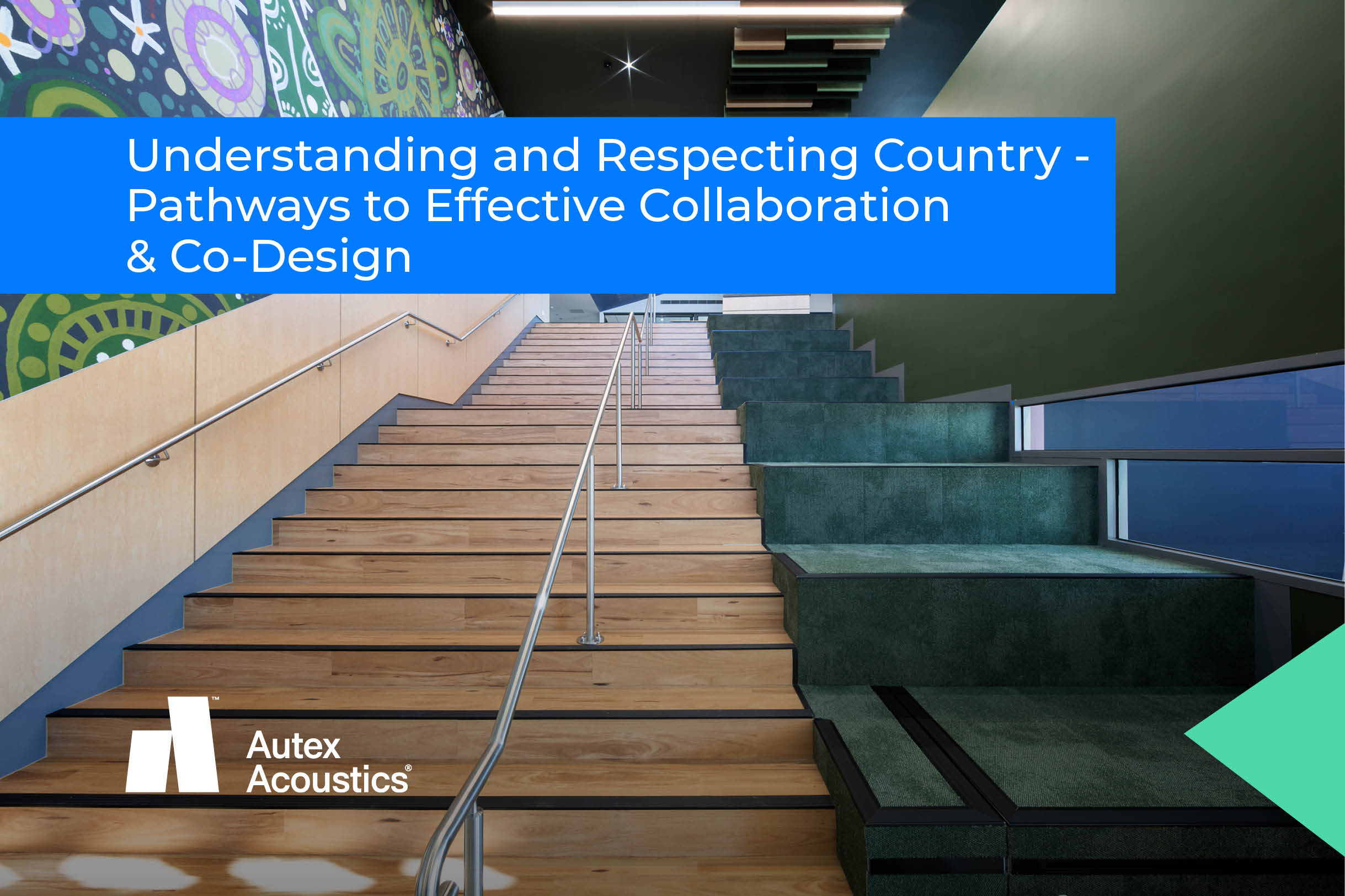
In this session of CPD Live, “Understanding and Respecting Country – Pathways to Effective Collaboration & Co-Design” we consider Indigenous art and design in the context of the architectural sector.
Noting the significance of design to First Nations peoples across Australia and the work of Indigenous designers, artists, and architects within the built environment, we also shine a light on collaborations between them and non-Indigenous architects.
Our panel (of both Indigenous and non-indigenous speakers), talk through their own experiences working on projects of this type, and identify the various practical, ethical, and cultural considerations that should be understood when doing so.
They explain the importance of communication in this context and identify the ways to ensure such projects have the best chance of being successful.
At the end of this presentation, you should be able to:
- Define the terms ‘Designing with Country’ and ‘Co-Design’ in the context of Australian architecture
- Display an understanding of the significance of Designing with Country to Indigenous peoples
- Outline the importance of communication and collaboration when undertaking these types of projects
- Identify the practical, ethical, cultural and legal considerations involved when working on these types of projects
(PRACTICE MANAGEMENT AND PROFESSIONAL CONDUCT PC 3, PROJECT INITIATION AND CONCEPTUAL DESIGN PC 17, PROJECT INITIATION AND CONCEPTUAL DESIGN PC 27, DESIGN DELIVERY AND CONSTRUCTION PHASE SERVICES PC 50)
SPEAKERS
Steven Green, Specification and Commercial Account Manager – NSW and ACT, Autex Acoustics
Autex Acoustics is a global designer and manufacturer of high‑performance acoustic solutions, with 35 years of manufacturing in Australia. Working across education, workplace, and community settings, Autex designs products that balance acoustic performance, material innovation, and sustainability, operating as a certified 100% carbon‑neutral business.
Autex Acoustics collaborates with First Nations artists through its Willie Weston collection, supporting the thoughtful integration of Indigenous artwork into acoustic products. For the project explored in this session, the company was committed to the respectful and accurate representation of artworks, translating connection to Country through custom‑printed applications at Aunty Agnes Shea High School.
Steven has been with Autex Acoustics for over 4 years, where he plays a key role in supporting projects across New South Wales and the Australian Capital Territory. In his role, he collaborates closely with designers and contractors, providing guidance through various stages of the project process to ensure successful outcomes.
Madison Bauer, Associate, Senior Interior Designer, CK Architecture
CK Architecture (Aust) is an award winning, Canberra-based architecture and interiors practice designing in the sectors of education, workplace, aged care and retirement living, sport and recreation, residential, and community facilities. They are committed to Reconciliation and the championing of First Nations stories and culture through design and regularly engage with First Nations knowledge holders in on-going consultation and co-design processes in order to realise this. The First Nations artwork integration on the recently completed Aunty Agnes Shea High School provided a pivotal learning experience that has shaped CK’s First Nations engagement processes, taking on lessons learnt throughout the project, into future projects.
Madison Bauer joined CK Architecture in 2016 as a student interior designer, having studied at the Canberra Institute of Technology and the University of Canberra. Currently an Associate Senior Interior Designer, working in the education, workplace and aged care sectors, she is particularly interested and invested in the power of design to support positive societal change, particularly through the way in which environments can facilitate learning. As a key member of CK’s Reconciliation Action Plan Working Group, she is passionate about First Nations inclusion, taking a collaborative, codesign approach to the design process, and ensuring compassion and cultural sensitivity in the final outcome. Recently part of the teams that delivered Aunty Agnes Shea High School and the Gugan Gulwan Aboriginal Youth Corporation building, she is humbled to be supporting the celebration of First Nations voices and stories through design.
Rebekah Weddell, Dhanggati Birrbay Artist and Executive Teacher
Rebekah Weddell is a contemporary Aboriginal artist born on the Gold Coast and raised in Northern New South Wales. She is Dunghutti/Biripi on her birth father’s side and Swiss German/Irish on her mother’s. Rebekah has been living on Ngunnawal Country for the past 15 years, raising her children and working as a Primary School teacher. She worked in the Education Support Office as an Assistant Director of Cultural Integrity Professional Practice for 3 years, supporting public schools in embedding Aboriginal and Torres Strait Islander perspectives in everyday teaching and learning practices.
She takes inspiration from her surroundings, recreating elements of Country and telling stories through colour, shape, and symbolic representation, in her signature style. Rebekah uses acrylic on canvas or digital renderings, and creates art as a way of connecting to people, places and her culture. Painting makes her ginyaang- happy.