
‘Going All In’ to Meet the Climate Crisis
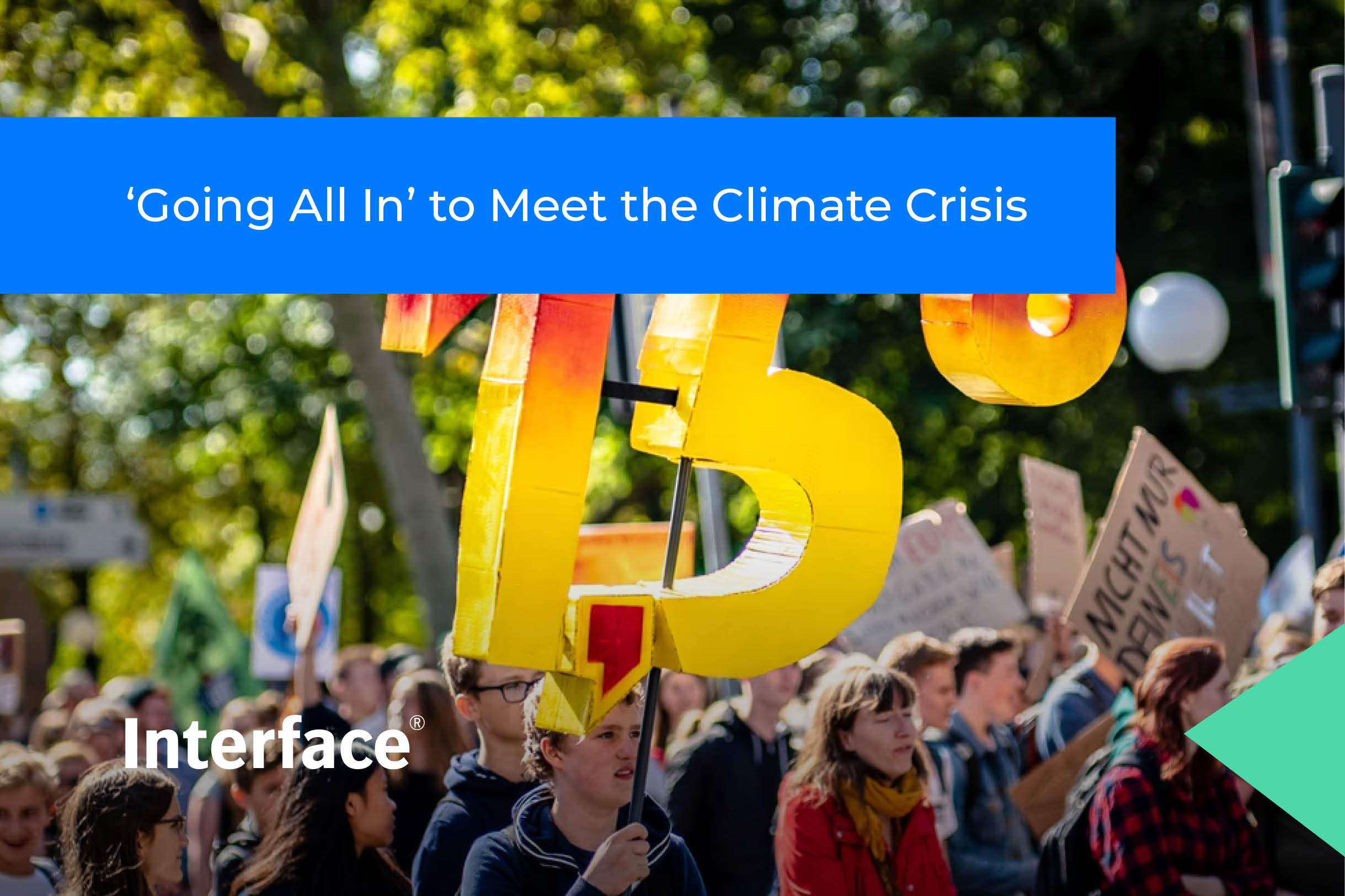
Though the exact figure varies slightly depending on methodology and source, it is generally accepted that the built environment is responsible for around 40% of global greenhouse gas emissions. A sobering statistic for all involved, it nevertheless leaves architects, builders, and others with some important question – along the lines of ‘how can we make a difference?’ – to answer.
The difficulty here is that, beyond the above-mentioned statistic, lies a lot of detailed scientific information and a lot of terms – like ‘Whole Life Carbon’, ‘Biogenic Carbon’, ‘Lifecycle Stages’, and so on – that may be beyond their expertise.
The purpose of this session of CPD live is to clarify this information and shine a light on the practical steps that specifiers can take to make a genuine difference.
Beginning by outlining the scale of the climate change problem, our speaker will go on to explain what is meant by ‘life cycle stages’, ‘Scope 1, 2, and 3 emissions’, and so on. Highlighting case studies to illustrate his points, he will explain the best ways to identify genuinely sustainable building products, point out options to avoid, and outline effective design strategies.
He will explain how architects can ‘go all in’ and meet the climate crisis.
At the end of this presentation, you should be able to:
- Explain how design can address climate change
- Describe scope 1, 2, and 3 emissions
- Identify major contributors to upfront emissions in a building
- Develop strategies to drive down carbon impacts of building materials
- Evaluate the use of carbon offsetting to achieve net zero goals
(PRACTICE MANAGEMENT AND PROFESSIONAL CONDUCT PC10, PROJECT INITIATION AND CONCEPTUAL DESIGN PC31, PROJECT INITIATION AND CONCEPTUAL DESIGN PC35)
SPEAKER
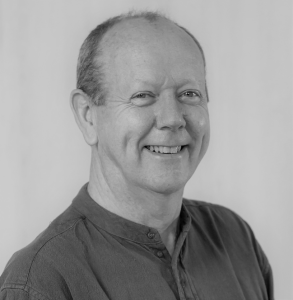
Aidan Mullan, Sustainability Manager, Interface Australia and New Zealand
Aidan specialises in the activation of Interface’s “Going All In” strategy to become a carbon negative enterprise by 2040.
He uses LCA tools to evaluate raw materials and manufacturing environmental impacts to assist the company transition to more sustainable processes and products.
A Chemical Engineer by profession, Aidan has led innovations that reduced waste, embodied carbon and continues to work on developing the company’s circular economy program, ReEntry.
Joining the company in 2010, a key part of his role is sharing the lessons learned on the way to achieving the company’s climate action goals. He does this through workshops and lectures and is currently delivering AIA accredited CPD training for architects and designers across Australia.