
Selection of Aluminium Windows & Doors for Commercial Applications
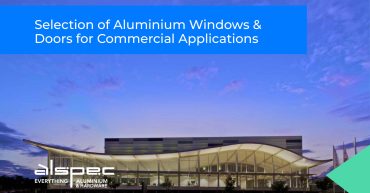
This session takes a practical, performance-based look at the selection of aluminium window and door systems for commercial buildings. We examine the structural, compliance, energy, and finishing considerations that influence product choice, while unpacking how framing systems, glazing, movement allowances, and surface treatments affect long-term performance. The module covers the key considerations involved in commercial […]
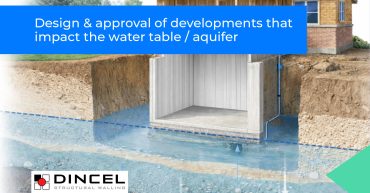
Today’s presentation unpacks the regulatory framework governing aquifer interference activities in NSW, including the Water Management Act 2000, Water Sharing Plans and the NSW Aquifer Interference Policy. We’ll walk through how Councils, WaterNSW and DCCEEW assess groundwater impacts, and why early, informed design decisions, particularly around basement design, can mean the difference between a smooth […]
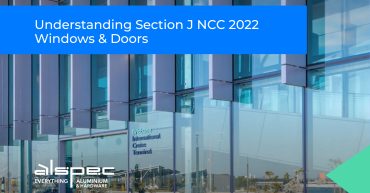
There are several important considerations when designing and specifying windows and doors under the NCC 2022. In particular, these elements play a key role in managing heat flow, solar gain, condensation risk and energy efficiency. Therefore, they are essential for thermal performance and regulatory compliance. As energy efficiency requirements tighten, understanding how windows and doors […]
Defined, respectively, as storage/warehousing and manufacturing/processing facilities, Class 7b and Class 8 buildings form the structural backbone of Australia’s industrial and logistics sectors. Generally characterised by the high-density nature of their operations, such facilities represent a fire risk. In response, the National Construction Code (NCC) mandates stringent Fire Resistance Levels (FRLs), particularly under Type A […]
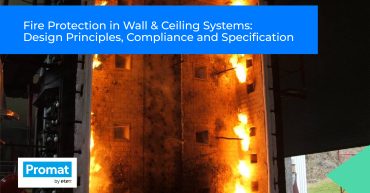
Fire protection is a fundamental requirement in modern construction, ensuring that buildings not only meet regulatory obligations but also safeguard occupants and property from fire risks. This CPD course, delivered by Promat Australia, provides architects, designers and specifiers with essential knowledge on passive fire protection within wall and ceiling systems. The session explores the key […]
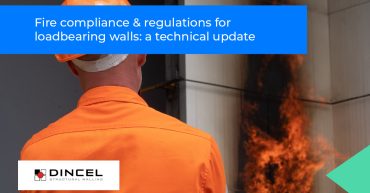
In an environment of increasing regulatory scrutiny and evolving standards, fire compliance is no longer something architects can delegate—it’s a shared responsibility, and it begins at the design stage. From the tragic La Crosse cladding fire to the legislative reforms that followed, Australia’s building industry has been reshaped by the need for better fire performance […]
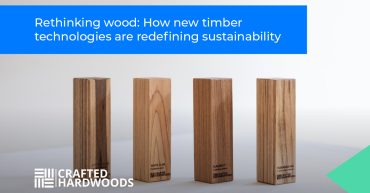
As demand for sustainable materials accelerates, few products are as sought-after or as scrutinised as timber. Valued for its natural beauty and carbon-sequestering properties, wood has long been considered a go-to material for environmentally conscious design. But as we face growing climate targets, supply chain pressures and an end to native logging in parts of […]
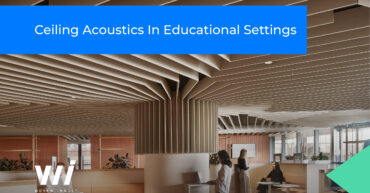
The importance of acoustics in educational settings cannot be overstated. Beyond making it difficult for students to hear their teachers, the negative impacts of poor classroom acoustics can be significant. From the students’ point of view, these include effects on cognitive functioning as well as an increase in behavioural problems, which in turn, have negative […]

According to the Australian Bureau of Statistics, as of 2022, 5.5 million Australians (21.4% of the total population) were living with disabilities. Many of these people face ambulatory challenges. For various reasons, they find it difficult to navigate uneven surfaces, to climb stairs, and so on. Add to this the effects of ageing, and the […]
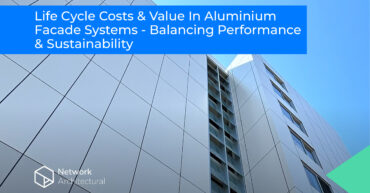
Aluminium façade systems are far from a one-size-fits-all proposition. Broadly speaking, specifiers seeking such products can choose between solid aluminium panels, corrugated core panels, and non-combustible mineral core panels. As is the case with most types of architectural products, each has its own strengths and benefits (in terms of design potential, function, and performance), and […]