
Understanding Cladding Requirements in the NCC 2022: Pathways to Compliance
Navigating cladding and external facade specifications requires a clear understanding of regulatory frameworks and fire performance standards. This session takes a practical, compliance-focused look at cladding systems within the context of the NCC 2022. While subsequent code editions continue to emerge, the 2022 edition remains a critical reference for current compliance pathways across Australian jurisdictions. […]
Zinc roofing and cladding has a long track record overseas, but for many Australian architects and specifiers, the material’s properties and system options are still unfamiliar territory. As sustainability credentials, life cycle performance and material longevity move to the centre of specification decisions, designers are looking past surface aesthetics to ask harder questions: how long […]
Thermal performance has always been a fundamental consideration in building design, but as the NCC raises minimum energy efficiency requirements, the pressure to specify insulation that reliably performs over time has never been greater. For many architects and specifiers, rigid insulation remains a product category that is understood in general terms but less well understood […]

Defined as building components derived from natural, living organisms (such as plants, fungi, and bacteria), biomaterials are experiencing a renaissance. Beyond the most obvious material (i.e. timber), we are beginning to see a broad range of such products in the built environment. One of the key attractions of such materials is that, when specified appropriately, […]
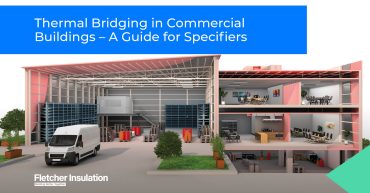
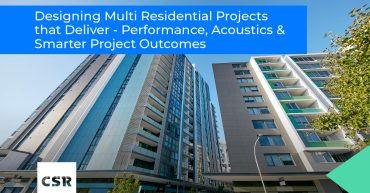
Thanks to various factors – including population growth, the ongoing housing crisis, and environmental concerns associated with urban sprawl – Australia’s urban landscapes are changing. The country that was once best-known for its ubiquitous quarter-acre suburban blocks is now seeing more and more medium and high-density residential developments. As we move to higher density living, […]
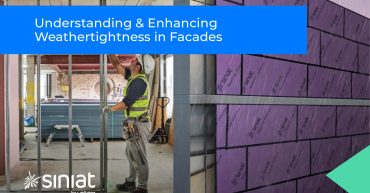
Distinct from airtightness, weathertightness refers to a building’s capacity to protect itself from external weather conditions, as a means of reducing air/water intrusion and the presence of moisture in the building envelope. The reason weathertightness is important, and the reason architects should seek to create barriers against inclement weather, is that it helps to protect […]
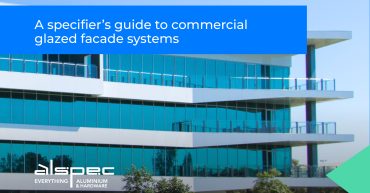
Commercial glazed façades are some of the most complex and performance-driven elements of contemporary building design. While they may appear visually simple, these systems must accommodate structural loads, wind pressures, thermal movement, water management, acoustic requirements, fire performance and constructability constraints. As a result, understanding how different façade systems function — and how they should […]
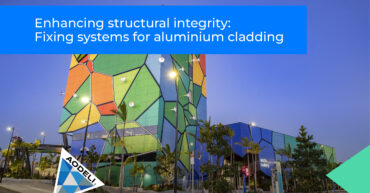
Aluminium cladding has become a staple in contemporary building facades due to its aesthetic appeal, durability, and adaptability in various environments. However, the performance, lifespan and structural integrity of these installations depend heavily on the correct specification and application of fixing systems. This presentation will explore the different types of fixing systems, the nuances of […]
There are several factors to keep in mind when specifying external cladding and façade systems. Beyond design considerations, the materials chosen should be durable and easy to maintain. They should be sound in terms of thermal performance, environmentally sustainable, acoustics and fire safety. And they should be waterproof. Dependent upon local conditions, façade systems need […]