
James Hardie Modern Homes Forecast 2026: Creative Expression and the Future of Adaptive, Human-Centred Homes
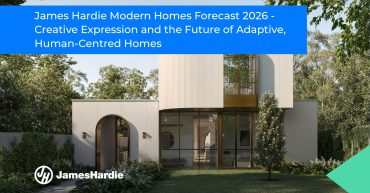
This session is based on the latest research from James Hardie, the Modern Homes Forecast 2026, developed in collaboration with WGSN, that identifies the key social, economic, environmental, technological, and human factors shaping how Australians want to live. We will walk through how these macro drivers are translated into clear home living trends, design principles and ultimately […]

Sometimes architects find that their project has a special requirement that can’t be met by standard products or systems. To maintain design integrity, customisation is the preference– and in many cases the only – option. Suppliers can often propose solutions using standard products in a different way from usual or embark on producing something entirely […]

Beyond the noise surrounding its arrival – and the claims of everything from previously-unimaginable efficiency and prosperity on the one hand, to mass unemployment and dystopia on the other – there is no doubting that artificial intelligence is set to change the world. Like it or not, AI is here to stay. That said, the […]
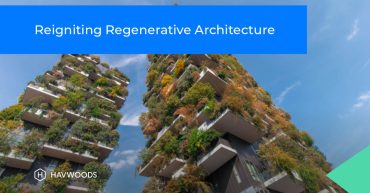
As the industry faces increasing pressure to address embodied carbon, resource depletion and climate impact, architects are facing the challenge of moving from “doing less harm” to actively designing buildings and interiors that contribute positively to environmental and human systems. In this context, in this session of CPD Live, we consider the renewed importance of […]
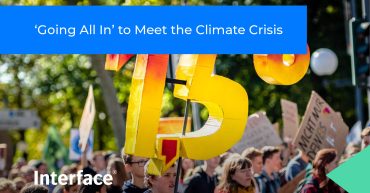
Though the exact figure varies slightly depending on methodology and source, it is generally accepted that the built environment is responsible for around 40% of global greenhouse gas emissions. A sobering statistic for all involved, it nevertheless leaves architects, builders, and others with some important question – along the lines of ‘how can we make […]
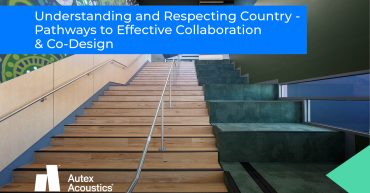
In this session of CPD Live, “Understanding and Respecting Country – Pathways to Effective Collaboration & Co-Design” we consider Indigenous art and design in the context of the architectural sector. Noting the significance of design to First Nations peoples across Australia and the work of Indigenous designers, artists, and architects within the built environment, we […]

Today’s session explores the importance of transitioning to a circular economy and how circular design principles can be embedded into architectural practice, particularly as it relates to design and material specification. We also consider how circular design principles align with green building frameworks such as Green Star. This topic is becoming increasingly important as Australia […]
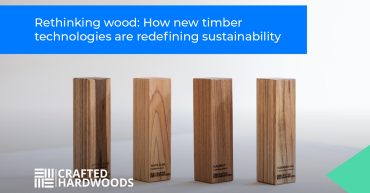
As demand for sustainable materials accelerates, few products are as sought-after or as scrutinised as timber. Valued for its natural beauty and carbon-sequestering properties, wood has long been considered a go-to material for environmentally conscious design. But as we face growing climate targets, supply chain pressures and an end to native logging in parts of […]
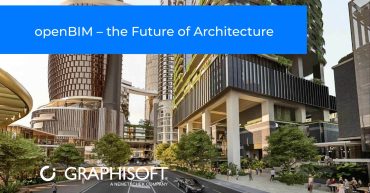
Digitalisation has arrived. As is the case with most other industries, data and connectivity have begun to transform the construction sector. Building Information Modelling (BIM) is key to this change. Tools that empower architects, designers, engineers, and others to create digital representations of their work – and in so doing reap a range of benefits […]