
Designing High-Performance Building Envelopes – From Interior Walls to Façades
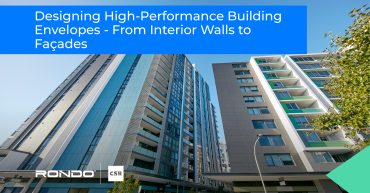
Technically defined as the vertical element forming the external envelope of a building, the external wall includes several structural and non-structural components, namely external cladding, a weather-resistive barrier, framing, insulation, and internal lining. Together, these components are responsible for loadbearing capacity, environmental separation, fire resistance and architectural expression, and more. They influence outcomes in terms […]
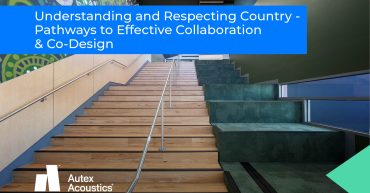
In this session of CPD Live, “Understanding and Respecting Country – Pathways to Effective Collaboration & Co-Design” we consider Indigenous art and design in the context of the architectural sector. Noting the significance of design to First Nations peoples across Australia and the work of Indigenous designers, artists, and architects within the built environment, we […]
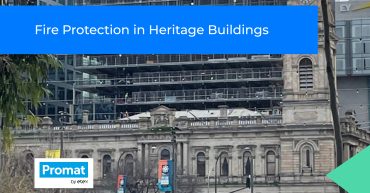
Adaptive re-use is one of the surest ways to ensure heritage buildings continue as more than historical artifacts. In the right hands – when re-imagined as residential, commercial or retail buildings – the factories, schools and convents of yesterday can be given a new lease of life. That said, transformations of this kind are not […]

As illustrated by numerous incidents, including the Lacrosse fire in 2014 and the Neo200 tower fire in 2019, building fires represent a significant threat to human life, property and the economy. Passive fire protection is a technique for containing a fire at its source and stopping the spread of flames and smoke throughout a building […]

As is obvious, even to the layperson, the choice of blinds and curtains involves an appraisal of the aesthetic appeal of the various options. It involves sorting through colour options, assessing the ways a given product could contribute to broader design ambitions, evaluating the need for privacy in a given space, and so on. But […]
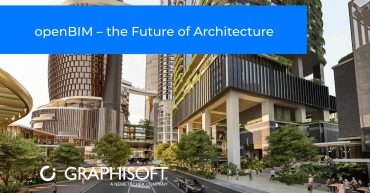
Digitalisation has arrived. As is the case with most other industries, data and connectivity have begun to transform the construction sector. Building Information Modelling (BIM) is key to this change. Tools that empower architects, designers, engineers, and others to create digital representations of their work – and in so doing reap a range of benefits […]