
Email Management as a Key Strategic Priority – Risk reduction, Communication & Compliance
Email is critically important to project-based businesses like architectural and design practices. A primary means of communications, it is used for everything from client briefs and consultant coordination to contractor instructions and more. Considering the increasing complexity of these types of information and mounting compliance expectations, poorly managed email represents a genuine (and serious) risk. […]

Beyond style and aesthetic appeal, the key considerations when designing commercial bathrooms centre around adherence to guidelines, the maintenance of hygiene, and sustainability. The good news for specifiers is that, right now, they have a set of sophisticated tools to help them meet these broad goals. Thanks to the Internet of the Things – and […]

There are several factors to keep in mind when specifying external cladding and façade systems. Beyond design considerations, the materials chosen should be durable and easy to maintain. They should be sound in terms of thermal performance, environmentally sustainable, acoustics and fire safety. And they should be waterproof. Dependent upon local conditions, façade systems need […]
There are several factors that specifiers should consider when choosing ceiling grid systems. Beyond their function – as frameworks with which to suspend panels or tiles and conceal wiring, pipes and so on, in commercial applications – they should be visually appealing. On top of this, ceiling grid systems should perform well in terms of […]
Defined, respectively, as storage/warehousing and manufacturing/processing facilities, Class 7b and Class 8 buildings form the structural backbone of Australia’s industrial and logistics sectors. Generally characterised by the high-density nature of their operations, such facilities represent a fire risk. In response, the National Construction Code (NCC) mandates stringent Fire Resistance Levels (FRLs), particularly under Type A […]
For architects and designers, the pressure to deliver sustainable, low-carbon buildings has never been greater. This session of CPD Live is intended to empower these professionals to navigate the growing demand for carbon transparency and make smarter, more informed material choices. It will focus on ways to assess, benchmark, and select materials based on carbon […]
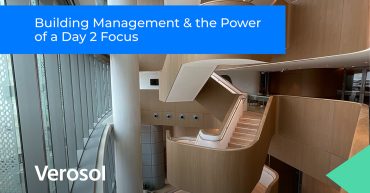
In the architectural and construction industries, the term ‘Day 2 Services’ refers to everything that occurs once a project’s construction phase is complete and the building in question is fully operational. It refers to daily functions, including those associated with wiring and electricals, plumbing, automated systems, HVAC, and so on. In this session of CPD […]
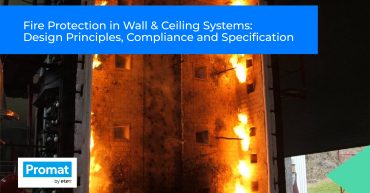
Fire protection is a fundamental requirement in modern construction, ensuring that buildings not only meet regulatory obligations but also safeguard occupants and property from fire risks. This CPD course, delivered by Promat Australia, provides architects, designers and specifiers with essential knowledge on passive fire protection within wall and ceiling systems. The session explores the key […]
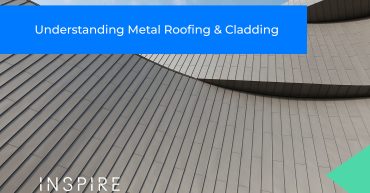
This CPD explores the key metal materials used in roofing and cladding—steel, aluminium, zinc, and copper. Gain insights into composition, performance, sustainability, finishes, and standards to make informed, compliant material choices for long-term architectural success. In today’s session, we’ll take a comprehensive look at the key metal materials used in roofing and wall cladding systems: […]

Acoustic design plays a vital role in creating functional and comfortable spaces. In environments such as classrooms, restaurants, offices, and apartments, how a space sounds is just as important as how it looks. Architectural acoustics focuses on how sound behaves in a space, how people perceive it, and how design choices can influence those experiences. […]