
Design & Approval of Developments That Impact the Water Table / Aquifer
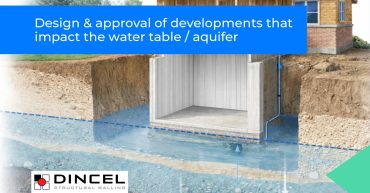
Today’s presentation unpacks the regulatory framework governing aquifer interference activities in NSW, including the Water Management Act 2000, Water Sharing Plans and the NSW Aquifer Interference Policy. We’ll walk through how Councils, WaterNSW and DCCEEW assess groundwater impacts, and why early, informed design decisions, particularly around basement design, can mean the difference between a smooth […]

Commercial glazed façades are some of the most complex and performance-driven elements of contemporary building design. While they may appear visually simple, these systems must accommodate structural loads, wind pressures, thermal movement, water management, acoustic requirements, fire performance and constructability constraints. As a result, understanding how different façade systems function — and how they should […]

With more people choosing to age at home and an increasing focus on inclusive environments, the demand for fixtures that blend functionality, safety and style has never been greater. Today’s session explores how tapware and grabrail design can support independence, safety and accessibility in both residential and commercial spaces. By the end of today’s session, […]
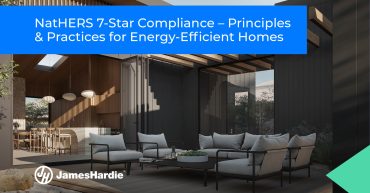
There are several important considerations when designing energy-efficient homes under the NatHERS 7-star framework. Beyond meeting minimum regulatory requirements, residential design must respond to climate, orientation and material selection to achieve improved thermal comfort, reduced energy demand and long-term performance outcomes. NatHERS plays a central role in assessing residential energy efficiency in Australia. The shift […]
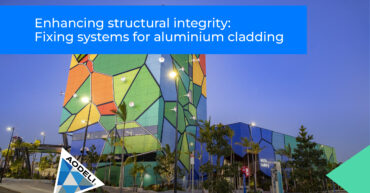
Aluminium cladding has become a staple in contemporary building facades due to its aesthetic appeal, durability, and adaptability in various environments. However, the performance, lifespan and structural integrity of these installations depend heavily on the correct specification and application of fixing systems. This presentation will explore the different types of fixing systems, the nuances of […]

There are several important considerations when designing and specifying windows and doors under the NCC 2022. In particular, these elements play a key role in managing heat flow, solar gain, condensation risk and energy efficiency. Therefore, they are essential for thermal performance and regulatory compliance. As energy efficiency requirements tighten, understanding how windows and doors […]
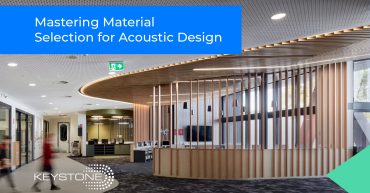
Today’s session focuses on an aspect of architectural design that directly shapes how people experience a space: interior acoustics. Beyond visual impact, your role as architects, designers and specifiers is to create spaces that support clear communication, minimise distraction and promote occupant wellbeing. Effective interior acoustic design is not just about sound control; it’s about […]

Thanks to a range of factors – including population growth, the housing crisis and environmental concerns associated with urban sprawl – Australian cities are in a process of transformation. With the traditional quarter-acre block now beyond the means of most first home buyers, we are seeing more and more high-density residential developments, particularly around transport […]
Clean, safe, and reliable drinking water is a critical consideration in the design and specification of commercial and health environments. In this CPD Live session, we explore the key factors architects, designers, and specifiers must take into account when incorporating filtered drinking water systems into projects. Beginning by identifying the various bodies responsible for water […]

Unlike the traditional economic model in which products are manufactured, sold, and eventually disposed of – all in a relatively linear fashion – circularity is about re-use, recycling, and refurbishment. It is about disposing of materials only when they can longer be used in any other practical way, and in so doing, minimising negative environmental […]