
Lightweight Construction in High Fire Risk Industrial Applications – Meeting NCC Fire Requirements in Class 7b and 8 Buildings
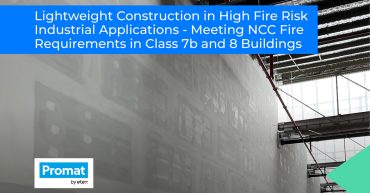
Defined, respectively, as storage/warehousing and manufacturing/processing facilities, Class 7b and Class 8 buildings form the structural backbone of Australia’s industrial and logistics sectors. Generally characterised by the high-density nature of their operations, such facilities represent a fire risk. In response, the National Construction Code (NCC) mandates stringent Fire Resistance Levels (FRLs), particularly under Type A […]
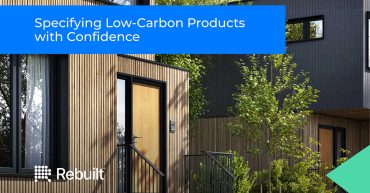
For architects and designers, the pressure to deliver sustainable, low-carbon buildings has never been greater. This session of CPD Live is intended to empower these professionals to navigate the growing demand for carbon transparency and make smarter, more informed material choices. It will focus on ways to assess, benchmark, and select materials based on carbon […]
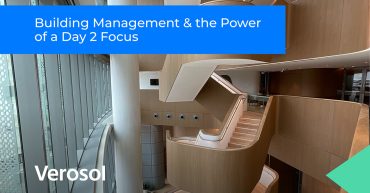
In the architectural and construction industries, the term ‘Day 2 Services’ refers to everything that occurs once a project’s construction phase is complete and the building in question is fully operational. It refers to daily functions, including those associated with wiring and electricals, plumbing, automated systems, HVAC, and so on. In this session of CPD […]
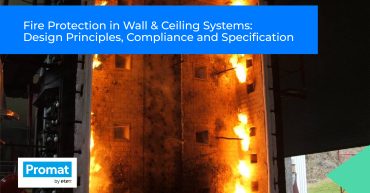
Fire protection is a fundamental requirement in modern construction, ensuring that buildings not only meet regulatory obligations but also safeguard occupants and property from fire risks. This CPD course, delivered by Promat Australia, provides architects, designers and specifiers with essential knowledge on passive fire protection within wall and ceiling systems. The session explores the key […]
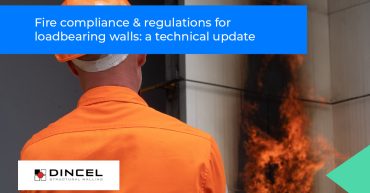
In an environment of increasing regulatory scrutiny and evolving standards, fire compliance is no longer something architects can delegate—it’s a shared responsibility, and it begins at the design stage. From the tragic La Crosse cladding fire to the legislative reforms that followed, Australia’s building industry has been reshaped by the need for better fire performance […]
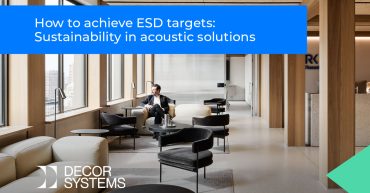
As the built environment pivots toward net-zero targets, circular economy principles and ethically responsible sourcing, the role of material specification has evolved beyond performance alone. Today, acoustic solutions must satisfy far more than sound control. From NCC 2025’s new embodied carbon disclosure requirements to the industry’s growing focus on material circularity, transparency and Indigenous engagement, […]
According to the Australian Bureau of Statistics, as of 2022, 5.5 million Australians (21.4% of the total population) were living with disabilities. Many of these people face ambulatory challenges. For various reasons, they find it difficult to navigate uneven surfaces, to climb stairs, and so on. Add to this the effects of ageing, and the […]
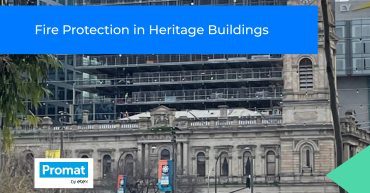
Adaptive re-use is one of the surest ways to ensure heritage buildings continue as more than historical artifacts. In the right hands – when re-imagined as residential, commercial or retail buildings – the factories, schools and convents of yesterday can be given a new lease of life. That said, transformations of this kind are not […]
As illustrated by numerous incidents, including the Lacrosse fire in 2014 and the Neo200 tower fire in 2019, building fires represent a significant threat to human life, property and the economy. Passive fire protection is a technique for containing a fire at its source and stopping the spread of flames and smoke throughout a building […]