
BAL FZ Construction Compliance & Testing Regimes
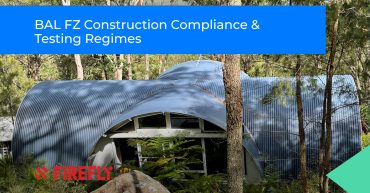
Building in bushfire-prone areas is one of the enduring challenges of Australian design and construction. Australia is one of the most fire-prone countries on earth; each fire season is a reminder of what’s at stake for the homes and communities built at the edge of the bush. With more Australians living in these areas and […]
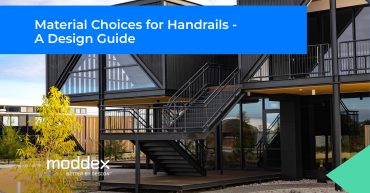
Handrails are one of those elements that architects and specifiers often treat as a late-stage decision, something to finalise once the bigger design questions are settled. But the material choice made at that point has real consequences. Handrails are among the most exposed and used elements in a built environment, and the wrong material in […]
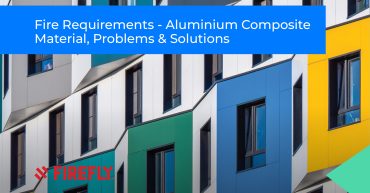
Facade fire safety has become one of the most closely scrutinised areas of building compliance in Australia over the past decade. Aluminium composite material, or ACM, remains widely specified for its appearance, workability and cost, but its fire performance varies considerably depending on the core material used. For architects, specifiers and building surveyors, the challenge […]
Commonly known as ‘forever chemicals’, per- and polyfluoroalkyl substances (PFAS) are a group of synthetic chemicals used in consumer products (to enhance non-stick coatings and waterproofing properties), and also in firefighting foams and various industrial processes. ‘Microplastics’, on the other hand, are defined as small plastic pieces that measure less than 5 mm in length. […]
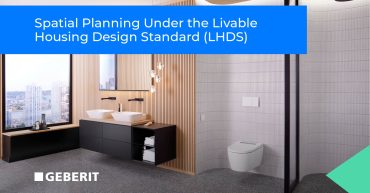
The Livable Housing Design Standard (LHDS) sets out technical provisions to help ensure Class 1a and 2 buildings better meet the needs of the community, including older people and those with mobility limitations. Since its introduction into the National Construction Code (NCC) in 2022, Livable Housing Design is no longer a “nice to have”, but […]
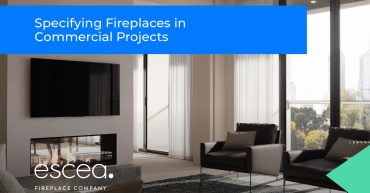
Fireplaces continue to play an important role in shaping atmosphere and shared spaces across a wide range of commercial projects. They can be found everywhere from hospitality venues and hotel lobbies to apartment developments and aged care environments. It should be noted, however, that integrating a fireplace into commercial architecture can present a number of […]
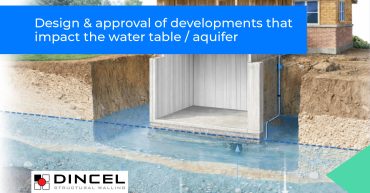
Today’s presentation unpacks the regulatory framework governing aquifer interference activities in NSW, including the Water Management Act 2000, Water Sharing Plans and the NSW Aquifer Interference Policy. We’ll walk through how Councils, WaterNSW and DCCEEW assess groundwater impacts, and why early, informed design decisions, particularly around basement design, can mean the difference between a smooth […]
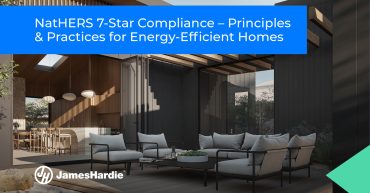
There are several important considerations when designing energy-efficient homes under the NatHERS 7-star framework. Beyond meeting minimum regulatory requirements, residential design must respond to climate, orientation and material selection to achieve improved thermal comfort, reduced energy demand and long-term performance outcomes. NatHERS plays a central role in assessing residential energy efficiency in Australia. The shift […]
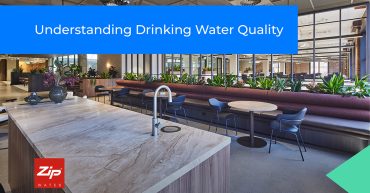
Clean, safe, and reliable drinking water is a critical consideration in the design and specification of commercial and health environments. In this CPD Live session, we explore the key factors architects, designers, and specifiers must take into account when incorporating filtered drinking water systems into projects. Beginning by identifying the various bodies responsible for water […]

Email is critically important to project-based businesses like architectural and design practices. A primary means of communications, it is used for everything from client briefs and consultant coordination to contractor instructions and more. Considering the increasing complexity of these types of information and mounting compliance expectations, poorly managed email represents a genuine (and serious) risk. […]