
The Future of Mineral Stone – Understanding Zero-Silica Mineral Surfaces
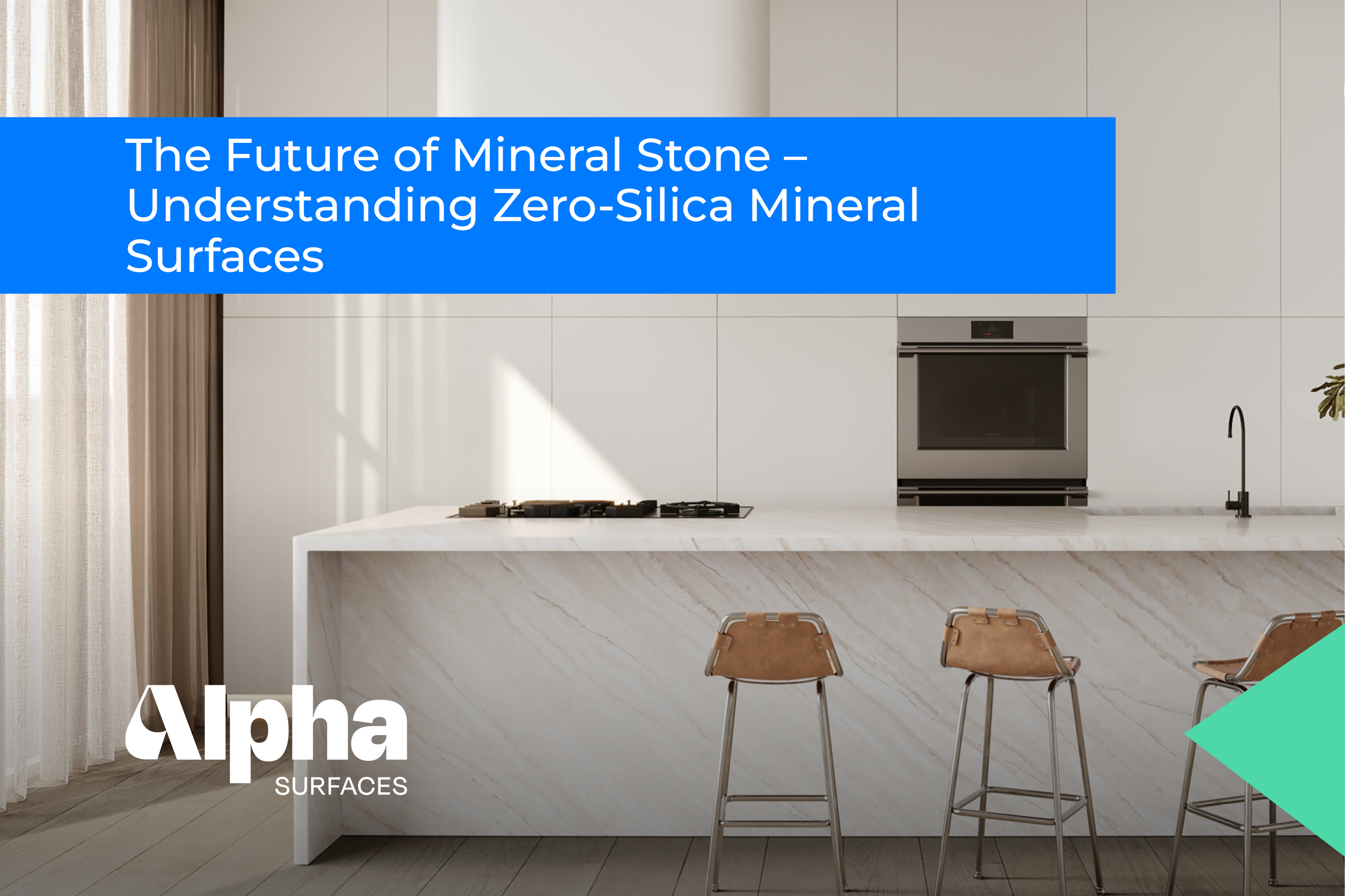
Prior to the ban on engineered stone – and now after the ban – crystalline silica exposure is still one of the most pressing occupational health issues facing the stone fabrication industry. In this context, architects and specifiers are under growing pressure to understand the materials they put in front of clients.
In this session of CPD Live, we look to provide them with this understanding. We unpack the shift toward zero-silica mineral stone, explaining what it is, how it performs against traditional engineered stone, and why it matters for compliance, workplace safety, and long-term project value.
Outlining zero-crystalline-silica formulation, our speakers explain how the material is engineered using up to 90% recycled content without compromising on durability or design flexibility.
They also address practical specification considerations associated with the material, including fabrication and workability for stonemasons, environmental compliance under EPD standards, and the certifications architects should be looking for when assessing surface materials for residential and commercial projects.
At the end of this presentation, you should be able to:
- Identify the types of surface materials that have been made illegal in Australia
- Identify the various alternatives to these now-illegal engineered stone products
- Explain the considerations involved in evaluating the safety, sustainability and performance of surface materials
- Outline the attraction and benefits of zero-silica mineral stone, when specified as a surface material
This presentation will deliver outcomes related to the following Competency/s from the National Standard of Competency for Architects 2021:
PERFORMANCE CRITERIA FOR PRACTICE MANAGEMENT AND PROFESSIONAL CONDUCT
PC 12 – Provide independent, culturally responsive and objective advice in accordance with relevant building codes, standards, technical specifications and guidelines, and planning regulations, including climate change implications, across all aspects of architectural practice.
PROJECT INITIATION AND CONCEPTUAL DESIGN
PC 24 – Be able to prepare and analyse project development options in response to a project brief – its objectives, budget, user intent and built purpose, risk and timeframes, including environmental sustainability considerations.
PC 31 – Be able to identify, analyse and integrate information relevant to environmental sustainability – such as energy and water consumption, resources depletion, waste, embodied carbon and carbon emissions – over the lifecycle of a project.
DETAILED DESIGN AND CONSTRUCTION DOCUMENTATION
PC 45 – Be able to nominate and integrate quality and performance standards with regard to selected materials, finishes, fittings, components and systems, considering the impact on Country and the environment, and the whole life carbon impact of the project. This includes integrating life cycle assessments and other expertise and advice from consultants.