
Reigniting Regenerative Architecture
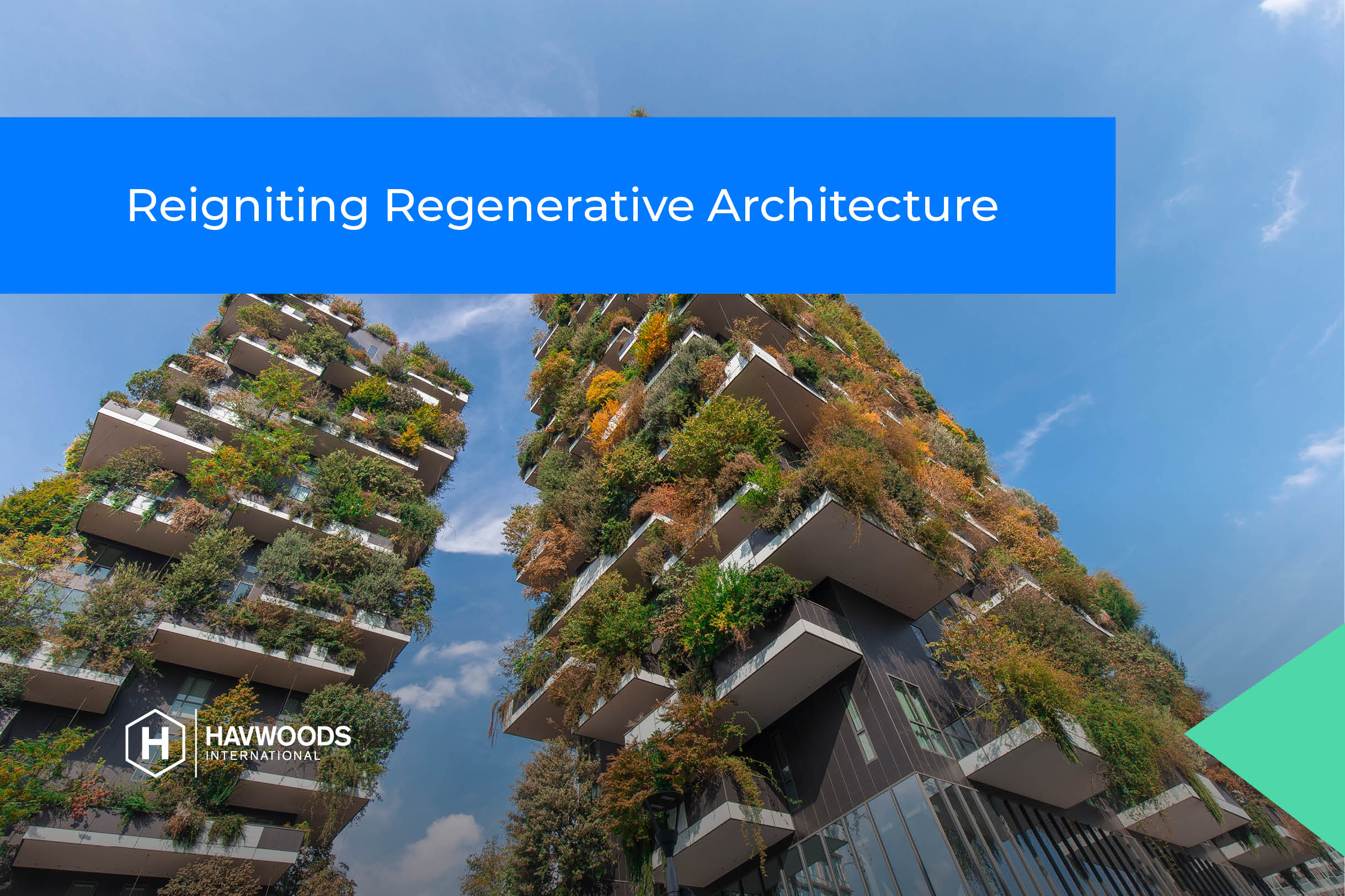
Re-igniting Regenerative Architecture
As the industry faces increasing pressure to address embodied carbon, resource depletion and climate impact, architects are facing the challenge of moving from “doing less harm” to actively designing buildings and interiors that contribute positively to environmental and human systems.
In this context, in this session of CPD Live, we consider the renewed importance of regenerative architecture, reframing it as a critical next step beyond conventional sustainability.
Architects will gain insight into how material choices, particularly within interior architecture, can contribute to regenerative outcomes through carbon storage, resource efficiency and lifecycle performance.
Through case studies and real-world examples, our speakers will demonstrate how regenerative principles can inform the design of interior environments – everywhere from floors and walls to joinery; and highlight the role of natural materials in creating spaces that support both environmental restoration and human wellbeing.
The purpose of this session, in other words, is to re-ignite the conversation around regenerative architecture and position it as a practical, achievable and necessary approach – empowering architects to lead the shift towards buildings and interiors that not only reduce impact but actively give back.
At the end of this presentation, you should be able to:
- Define ‘sustainable architecture’ and outline how the concept has evolved over time.
- Explain what is meant by the term ‘regenerative design’.
- Outline the key components of ‘regenerative architecture’ and explain how it differs from sustainable architecture.
- Explain why timber, a natural resource, has a place in regenerative architecture.
(PRACTICE MANAGEMENT AND PROFESSIONAL CONDUCT PC10, PRACTICE MANAGEMENT AND PROFESSIONAL CONDUCT PC12, PROJECT INITIATION AND CONCEPTUAL DESIGN PC28, PROJECT INITIATION AND CONCEPTUAL DESIGN PC31)